

 Français
 The Real Cost of Poor Lubrication—and How to Fix It

Most people in maintenance understand that poor lubrication causes failures. But what’s often underestimated is just how expensive those failures are, not only in terms of repair costs but also in downtime, production loss, wasted labor, and safety risks.
Studies show that up to 80% of bearing failures are lubrication-related. That means more than half of your rotating asset issues could be traced back to something as simple—and fixable—as how grease is applied. In a medium-sized plant, that can mean tens or even hundreds of thousands of euros lost each year.
But here’s the good news: this is a problem you can solve.
How small lubrication errors snowball into big failures
Let’s look at an example. A technician greases a bearing based on a schedule: once a month, no matter what. They add five shots of grease because “that’s how it’s always been done.” But over time, that grease builds up. Pressure increases. Friction rises. And eventually, the bearing overheats and fails.
Now, you’re looking at an unexpected repair, an urgent spare part order, maybe a shift in production, and possibly a 6,000-euro expense for a single failure. Multiply that across dozens or hundreds of assets, and the picture becomes clear.
Most of these failures don’t come from bad intent. They come from a lack of information, tools, and structure.
That’s where the LUBExpert Implementation Master Class comes in.
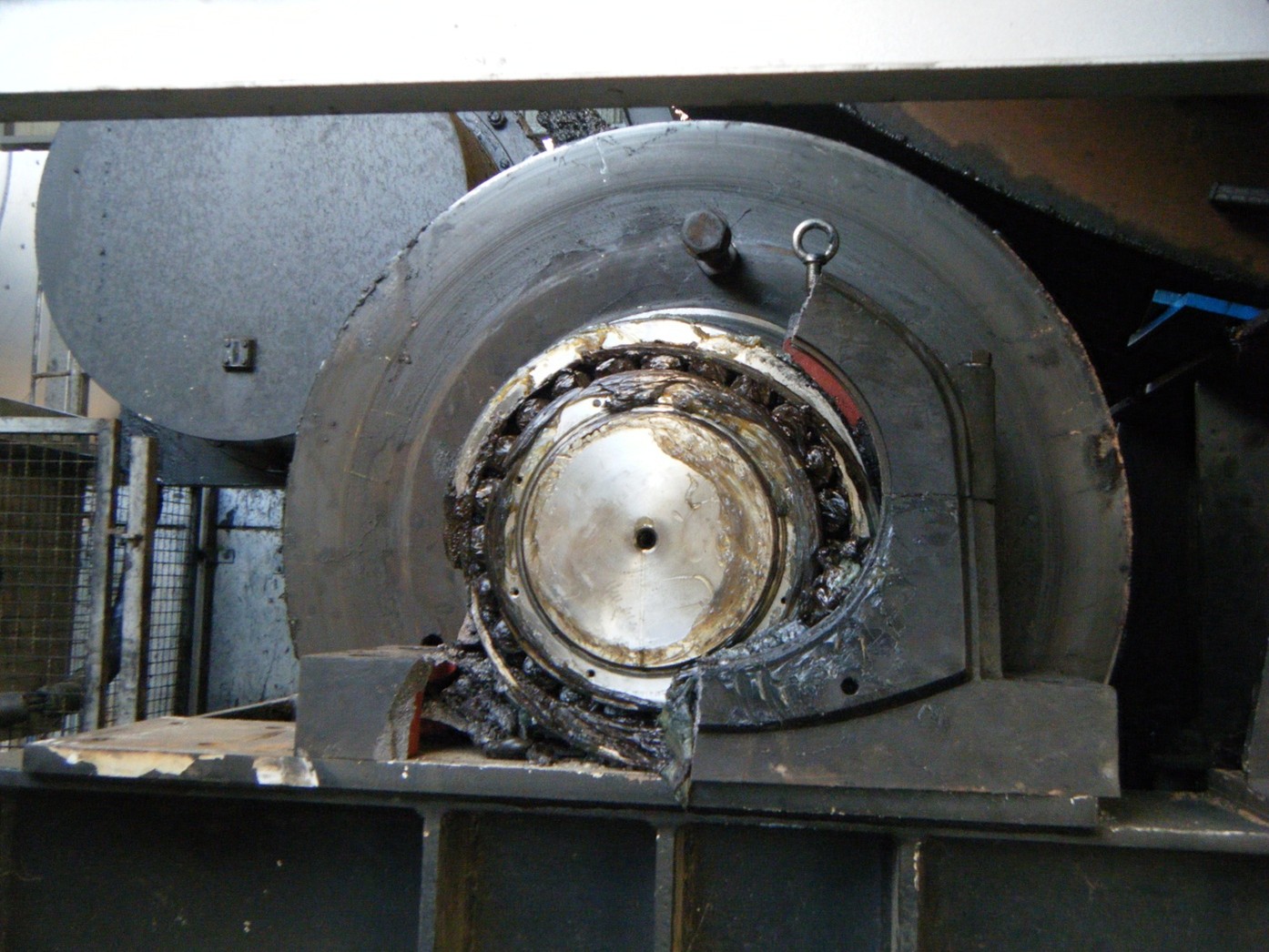
How small lubrication errors snowball into big failures
Let’s look at an example. A technician greases a bearing based on a schedule: once a month, no matter what. They add five shots of grease because “that’s how it’s always been done.” But over time, that grease builds up. Pressure increases. Friction rises. And eventually, the bearing overheats and fails.
Now, you’re looking at an unexpected repair, an urgent spare part order, maybe a shift in production, and possibly a 6,000-euro expense for a single failure. Multiply that across dozens or hundreds of assets, and the picture becomes clear.
Most of these failures don’t come from bad intent. They come from a lack of information, tools, and structure.
That’s where the LUBExpert Implementation Master Class comes in.
A roadmap to reliable lubrication
The Master Class isn’t about becoming an ultrasound expert overnight. It’s about putting a practical system in place so that your team can make better lubrication decisions—consistently.
In Module 1, we equip your people with knowledge: how lubrication works, how ultrasound helps, and how to recognize early signs of over or under lubrication. It’s hands-on, straightforward, and always linked to real work scenarios.
Module 2 is where we get organized. Lubrication routes are created, adapted to your plant’s reality. No more random greasing or guesswork. Technicians follow a plan—specific machines, specific intervals, and evidence-based decisions.
Module 3 brings it all together. We measure results, identify trends, and improve based on data. This isn’t theory. It’s applied reliability, grounded in your plant’s actual machines, people, and problems.
A system that pays for itself
When you prevent one major bearing failure, the investment in this training is already paid back. When your team avoids dozens of over-lubrication incidents per year, you save even more, on grease, on manpower, and on unplanned shutdowns.
More importantly, you get peace of mind. You know your machines are running on data, not habits. You know your team is equipped to make the right call, not just the quick one.
If you’ve ever walked through your plant wondering if greasing is really under control, this class is for you. Let’s move from reactive to proactive, together.
Our other news
See all





Join the largest community of industrial suppliers
- Helping you with your ongoing technology watch
- Provide you with detailed supplier statistics
- Give you international visibility
Discover the largest catalogue of industrial products on the market
- To offer you the best catalogue of industrial products on the market
- To guarantee you a 100% secure platform
- Enable you to have live remote exchanges